My ridiculously achievable writing habit

Have you ever set an ambitious goal? And then failed?

My hand is in the air, waving wildly. That was me last year. My goal was so far beyond reasonable that I’m a little embarrassed to own up. But I will. Because it makes for entertaining reading at the very least!

As many of you know, team van Ryn spent last year on the road. We did the full lap of Australia: one year, a caravan and the four of us. Sounds dreamy, doesn’t it? And it was, it SO was! We left in January 2022 and returned in January 2023. Every single day was different and full of unexpected wonder.

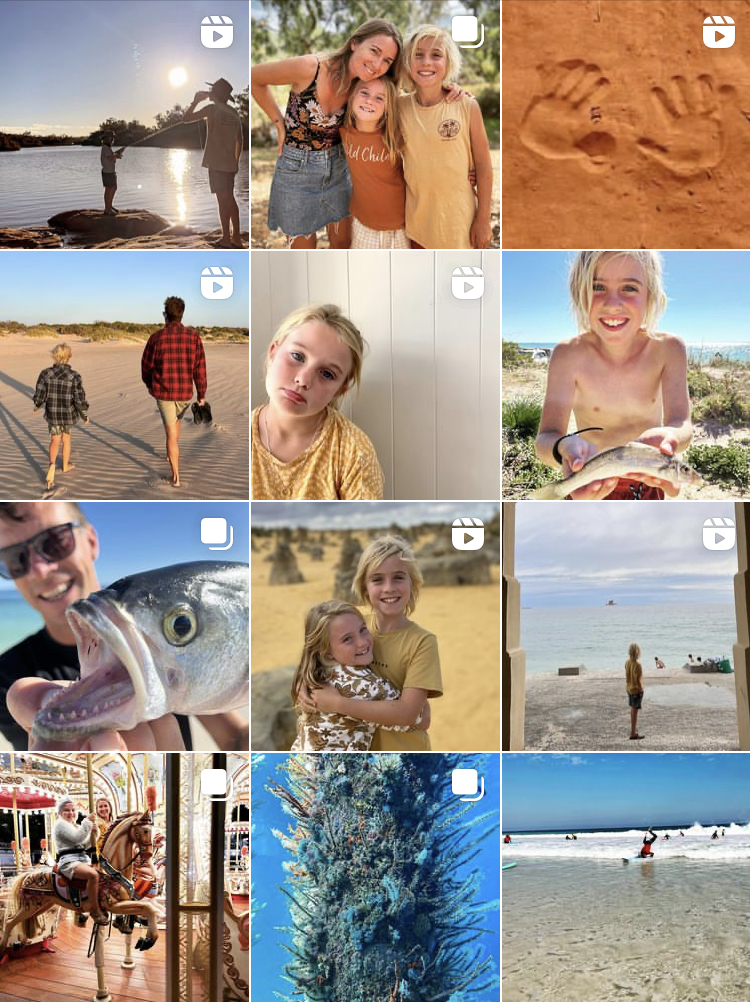
(Here’s a taster from our @caravanryns page on the gram)

Into this scenario, I thought I’d be able to juggle a few things. I thought I could keep hold of a few clients and do a little work on the go. I thought I could also homeschool our kids (mainly because hubby is a teacher and I would simply act as his erstwhile teachers assistant). I thought I would write a book. And I thought I’d keep trim with some kind of daily fitness regime.

Rewind that… Write. A. Book.

What was I thinking? Because along with all the wonder of a caravan adventure like this, there was also grit and grind. My solitude was seriously compromised by the fact that my entire ‘home’ was half the size of my bedroom. We were in each other’s pockets. Silence wasn’t so common. But importantly, I’m okay with all of that. The squeeze and din was part of the experience and I wanted to be fully immersed in all of it. This adventure was an absolute gift and I wanted to fully appreciate it.

So when I realised that I would not be able to create the space and time and energy needed to write my second novel, I slowly kissed it goodbye. It was a wrench, I’ll be honest. If you’re a creative, you know how it feels to be separated from your ability to create for a season. But I knew that it was the right thing to do. I was too distracted, and I wanted the ‘distractions’ to become enlarged, to fill up more space. Because they were actually the most important details.

And when I let go, a writing friend suggested to our writing group this little challenge: five minutes a day.

Lowering the bar of expectation

Five minutes a day. Just five minutes a day. I shrugged, well, of course I could do that! I mean, that’s ridiculously achievable. And I lowered my bar of expectation from well over my head right down to my toes. My little writers group checked in each day to indicate that we’d done our time.

And it worked!

I was writing every single day. Inevitably some days the words flowed and before I knew it, I’d been writing for thirty minutes or an hour. But my expectation was just the five minutes, which would never impinge on my family time and adventures. It was something I could carry lightly. It wasn’t a burden in the back of my mind. Inadvertently, I found that I was writing plot ideas, building characters, noting down snippets of description. My notebook was filling with what I know will be the building blocks of my second novel.

This year, my writing goals are different. It’s a new season that requires me to be disciplined in a different way. But I just wanted to share this to encourage you, wherever you’re at in your creative forays.

Is there a big goal pressing on your heart that feels overwhelming? How about you do like I did. Set a ludicrously low daily or weekly goal and see what happens! 

Check out my book’s lovely cover

This is where I have the pleasure of revealing my book’s beautiful cover design. It is the result of much deliberation and creative brainstorming to envisage what visuals best represent the story, while also appealing to the right audience and catching the eyes of booksellers! I had no idea that so many factors must be considered before we land on a final cover design. As with so much of this publishing process, I am a sponge, soaking up the learnings to be had along the way.

This version of the cover may still change a little. Tweaks to allow space for a copy line or an endorsement, that kind of thing. But for the most part, this is what she will look like when she hits bookshelves in June this year. And voila:

Pre-order a copy

That’s right! You can actually pre-order a copy right now. If you want to be one of the first people to get your hands on this book, feel free to click this link right HERE and do that.

What’s next?

I’m expecting to see some ARCs very soon. That’s Advanced Reading Copies. They look just like the real deal, but will still have some errors throughout, as the final proofreader’s edits haven’t been enacted. These ARCs are distributed to create some buzz. Hopefully they will result in some well-known, well-followed people saying some really nice things about The Secrets of the Huon Wren, prompting the multitudes to add it to their TBR lists! Also, and most importantly, ARCs are to help booksellers get excited about it and order copies for their shelves.

For me, my next job will be reading through those proofreader markups and making changes. It will be the last time I read it through before it goes to print proper. So yeah, a fair bit of pressure. I’ll also be pulling together my acknowledgements page and other bits and pieces that enhance the reading experience.

Join me!

Thank you for all your love and support. I’ve just shared the cover image on my social media pages and am swimming in a sea of encouragement. It is so very much appreciated. If you haven’t already joined me on this publishing journey in some way, consider this your personal invitation. You can subscribe to this blog (just enter your email below) to make sure you don’t miss any of the action. You can also follow me on Instagram (@clairevanryn) and Facebook (@clairevanryn.writer).

SUBSCRIBE now to stay in the loop

I just signed a book deal!

It’s true! I have just signed a contract with publishing giant Penguin Random House that will see my debut novel released in mid-2023. This is where you can imagine me jumping around with the abandon of a three-year-old on her birthday. Squealing. Dancing. Hanging off people’s arms. I can’t begin to tell you how excited I am. This is dream-realising territory. I just never dared to imagine that Secrets of The Huon Wren would be picked up by a major publisher like Penguin.

But then, that’s how God works, isn’t it? He is extravagant beyond our wildest dreams. He has inspired and infused every word, so it shouldn’t come as any surprise that he is doing the same now, in the publishing process.

How did it happen, you ask?

Here’s a timeline so you can grasp the patience required to see a book from inception to publication!


Feb 2020: I started writing The Huon Wren.
Oct 2020: I finished the first draft.
Nov 2020: Editing. And some more editing.
Nov 2020-Feb 2021: I sent the manuscript out to a select handful of people for feedback, including a professional editor.
Feb-Apr 2021: Editing. Editing. Editing.
Apr-Oct 2021: I submitted my manuscript to many Australian literary agents.
Nov 2021: I signed with Fiona Johnson at Beyond Words Literary Agency.
Jan-May 2022: Fiona was busy making my manuscript visible to important publishing people while I sunbaked on beaches in Victoria, SA and WA (we’re on a caravanning trip around Australia this year), trying not to think about it (and failing!).
May 2022: I signed a book deal with Penguin Random House. Woot woot!
Mid-2023: My book will be launched to the world!


I have many people to thank, but at this point I just want to name one person: my agent, Fiona. What a joy she is to work with, and what a spectacular result she has delivered.

Oh, and one other: my hubby, Phill. Because he is just as excited as I am, and it’s the best ever thing to catch each other’s eye from time to time and just shake our heads with the wonder of it!

What next, you ask?

I am extremely grateful to have the opportunity to work with all the professionals who make up the Penguin Random House tribe. I will have the absolute delight of now working with editors, cover designers, typesetters, marketing experts, distribution pros and my lovely publisher herself, Ali Watts. Amazing. So, that’s what comes next. Lots of learning and insights into this new world I’m stepping into, and it’s my intention to bring you along! If you haven’t already, subscribe to this blog (just enter your email below) to make sure you don’t miss any of the action. You can also follow me on Instagram (@clairevanryn) and Facebook (@clairevanryn.writer).

Love, Claire.
(still buzzing!)

SUBSCRIBE now to stay in the loop

On symbolism and reading books you don’t like

Do you pick up on symbolism in the books you read? Do they ping at you like little neon lights for the book’s themes, or do they bob past you innocuously, and only subtly and subconsciously exist? Or are you reading this thinking, Whaaaa??? There are themes in books? Haha!

There’s no right or wrong answer. That’s the glory of reading: it’s all subjective. We all read differently, bringing our own universe of knowing to the text. It’s what makes book clubs so thrilling!

So I took myself along to a masterclass recently with Emily Bitto (her novel The Strays won the 2015 Stella Prize). I was excited. To be understated. And when I turned up to find I was one of only five in the little room off the side of the Adelaide Library, I was definitely more than a little bit starry-eyed.

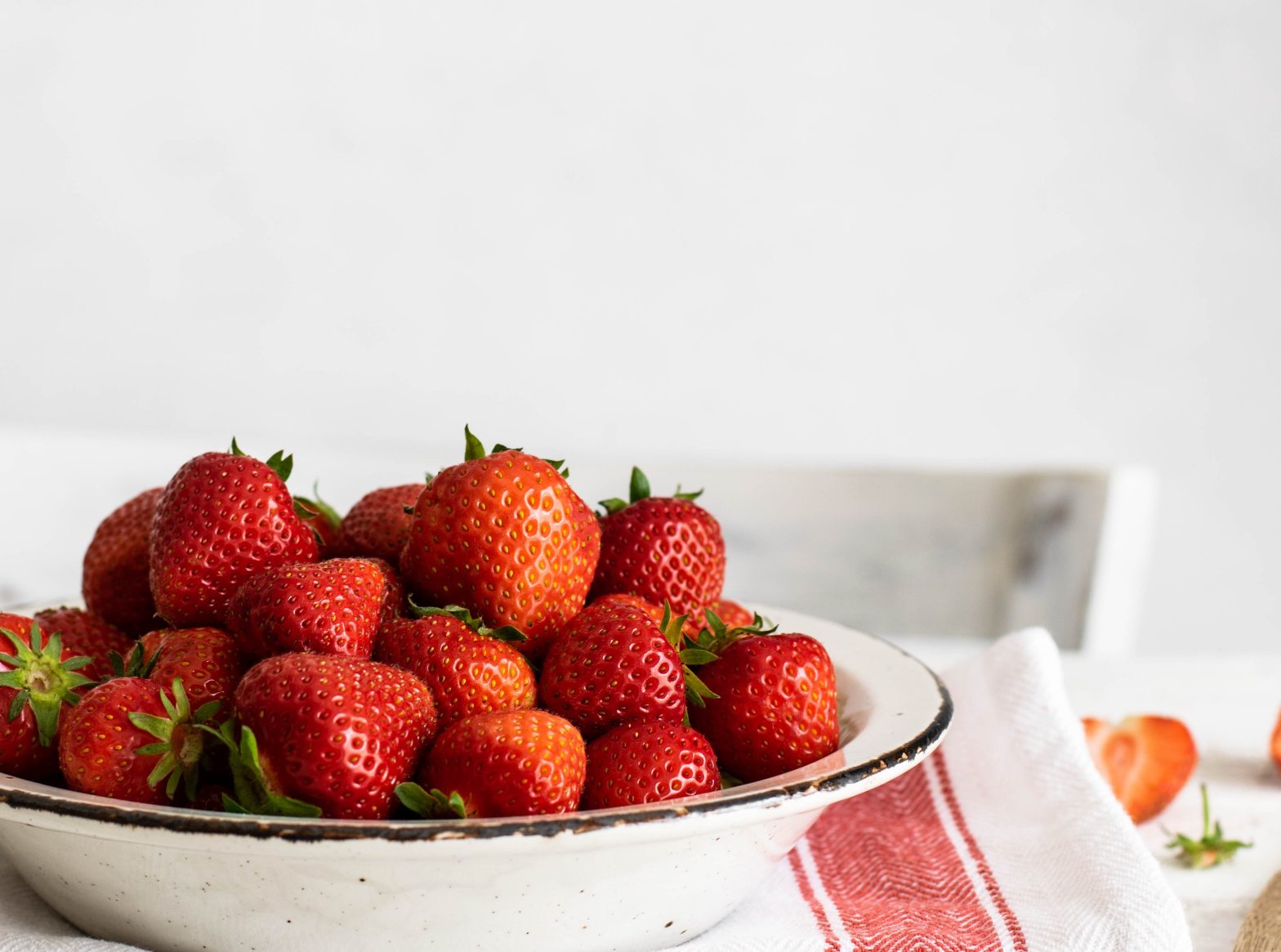
We explored theme, imagery and symbolism. I love this stuff. It took me back to uni and high school days, to plunging deep into words and sentences and paragraphs to find hidden things the author surely secreted there for us geeky literary gold-diggers. It felt like dissection; plucking the strawberries from Jane Austen’s Emma and turning them around until our hands and mouths were messy with it. But I always wondered, did the authors knowingly write those things? And if they did, did they really want us to muddy the flow of the whole with our magnifying glass operative, and all for the sake of a good mark on an assignment?

Let’s clarify:
THEME is = a central idea. Macro level. Like Envy or Grief.
IMAGERY is = how the theme is worked out. Using language.
SYMBOL is = something universally accepted as representing something else. This is a bit more complex. Symbol relies on cultural understanding. On the reader’s understanding. And it is enhanced through repetition.

Importantly: a literary symbol combines a theme with an image.

This is what Bitto said at that masterclass that made me scribble wildly in my notebook:

“It’s okay to not be conscious of the themes at play. However, if we’re not, it’s easy to slot into the cultural symbolic norms or cliches.

Are you happy with that?

Or would you prefer to work against that?

You can work with them, but then complicate them, turn them on their head.”

In my first book, I have to admit that the themes, imagery and symbols arrived very organically. They just wrote themselves into the story. And after, I named them. Oh, hello there, I said. I see your colour, your texture, the way you keep turning up. I see how you are subtly pointing to the overarching theme. You can stay! And then I played, built on some, cut others out.

What Bitto’s clarifying masterclass has done for my second book (currently underway) is to bring a heightened awareness of what I’m playing with as I write. It’s like I’ve been standing at the end of a jetty, marvelling at the blurry forms of fish swimming beneath me — and then I’ve donned a pair of polaroid sunnies. Suddenly I can see the shimmering depth of the water, scales, fins, waving weed, shells.

Here are some other useful questions and prompts that helped me with my own writing:

  • What themes preoccupy you as a writer?
  • How does it relate to the themes of our times?
  • What does it reveal about the human condition?

Here’s a thing. Before attending Bitto’s masterclass, I thought it only right that I read her latest novel, Wild Abandon. And you know what? I didn’t like it. Not at all. I couldn’t connect with any of the characters. In fact, I don’t think I even warmed to any of them. Later, I read Charlotte Wood’s fantastic The Luminous Solution on creativity and writing, and it challenged me:

“I clearly remember my country high school English teacher banning the words ‘because I can relate’ from our classroom. Whether we related or not, whether we liked a book or not, was of absolutely no relevance, she told us. The question, then, was what is the work doing on its page?”

Wood goes on to point out that our consumer culture has, of course, impacted literature. I’m sure I’m not the only one that’s been lured by a publisher’s ‘Love it or your money back’ marketing.

“We’ve been slowly but thoroughly trained to see the world in terms of its capacity to please us, and however romantic we might be about books, it’s naive to expect reading to remain somehow quarantined from this customer service perspective.”

Truth. But, in balance. Because, I’m sorry, but I am drawn to art that illuminates beauty. I can’t help it. It’s an innate impulse. Yet I also acknowledge the role that art has in challenging, pushing back, and exposing ugliness. Perhaps the books that rub us the wrong way teach us more than the ones that stroke us into comfortable reverie.

All of this rambling is to say that my brain’s been on a great journey of literary learning and thought, and I hope some of it’s been of interest to you. Happy reading and writing, friends!

Dirt Healing

(a poem, by Claire van Ryn, written in response to Australia Day, 2022)

Speak, Dirt! Hold up your story! Dream-tell!

Etch your wisdom through the soles of our feet, drawing up through bloodlines.

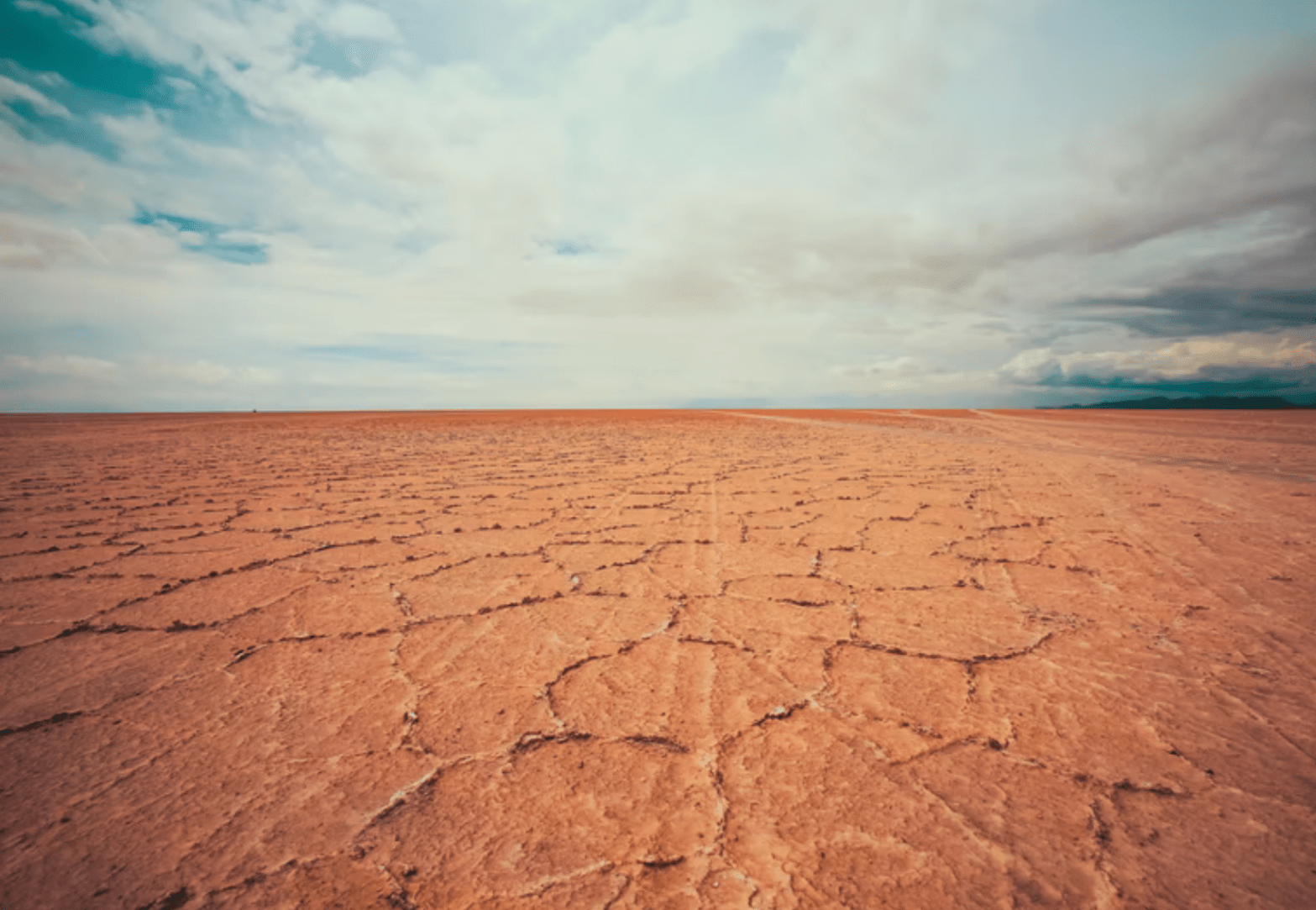
We see your sigh in red dust clouds, rising. We feel your moan in the loam clods, clinging. We hear your rage in the cracks through parched and trampled plains, opening.

Your grit is no tabula rasa. It bears the scrawl of the ancients, scribbly grub pattination on the bark of time. You cupped the First Ones in your hands, made poetry of fire, wind, water. Their skin carried you as you carried them. Skin on dirt on skin.

And then. And then, Dirt, you became cup, became vessel for their blood. Grave for their bones. Urn for their ashes. The slurry of pain a war paint smudged across a once-free Southern land. Your grit was washed from military boots, bleached from aprons, wiped from the faces of blue-eyed children.

You lay vibrating with the footfall of the New Ones as they cut and divided, spilt and split you.

Possession lines slashed, your earth denuded. Old man eucalypt slipped through your grasp, and in his place Oak and Elm and Birch and Maple. You were stabbed with picket fences, footings, cattle hooves, gravelled roads and the harvest blades of mouths to feed.

We all washed you from our skin. The dirge of dirt on skin on dirt.

Soil be shaped. Soil be silent. Soil let us climb and claim you. Soil hold this building, bend this way, slope that way. Soil feed us. Soil pay us.

Never.
Enough.

Still the red dust rises. The loam clods cling. The desert cracks open. You vibrate with the hurt of the First Ones and the slow awakening of the New Ones. Many are fresh to your hum.

We take off our shoes, wiggle toes in your texture. Allow wisdom to once more etch the soles of our feet. Do you feel it? The stories of generations, the rub of regret and the dreams of to-come.

Speak, Dirt. Hold up your story as we plant seeds of Sorry where you thrum. We’re ready. Dream-tell of a nation that carries One people. Dirt on skin on dirt.

I have an agent!

I’m absolutely delighted to share the news that I have just signed with an agent. Fiona Johnson from Beyond Words Literary Agency is representing me and my work to the publishing world.

For those who aren’t up-to-speed with how this works (truth is…. that was me about a year ago), basically, Fiona will go to bat for me in the cut-throat literary industry.

You know when a trusted friend recommends a book to you? Aren’t you much more likely to go read that book, than something you randomly pluck off the shelf? Well, Fiona’s like that friend. Only, her endorsements will be to the editors of publishing houses.

In short, it would seem I am one step closer to publishing The Huon Wren.

About Fiona

Fiona is a truly inspirational woman. At the age of 25 she was diagnosed with an aggressive form of leukaemia and told she had less than two months to live. Fiona held tight to the information she had read about acute myeloid leukaemia, that “few people survive”. Few, in Fiona’s reasoning, meant that some did survive, and she grasped that slim slither of hope.

Obviously, Fiona did indeed survive. Not only that, but she went on to chase her dreams of becoming a rodeo rider, horse trainer and mother.

Fiona has a background in marketing and sales, and she is an author in her own right. Her memoir My Wild Ride was published by Allen & Unwin — and I am currently devouring it!

What’s the deal with writers’ retreats?

If you follow me on Instagram or Facebook, you’ll know that two or three times a year I head off for a few days of solitary writing. Perhaps it’s not every writer’s jam, but for me, it’s become crucial to progressing the fiction arm of my writing forays.

I’m on a retreat right now. Nestled in cosy accommodation beneath Mother Cummings Peak in Tasmania’s heartland. Aside from the reprieve from school lunches, loads of washing and ushering children out the door ten minutes later than they should be (“Put your shoes on!”), a writer’s retreat slows the clock so I can focus.

If you’re a writer or a creative, here are some points to convince you that retreats are important:

1. Withdraw and Expand

In military terms, to retreat is to remove oneself from enemy forces, usually because they’re stronger. This works in the creative context too. It’s tough putting your work out there and hoping it grabs someone’s attention, or that readers connect. The confidence gets a thorough battering in the literary world, and I know it’s the same for other creative mediums too. Often, of course, the ‘enemy force’ is our own critical voice. So, we retreat. We remove ourselves from noise and choose better sounds. Birdsong. Mountain breeze. Waves lapping sand.

But retreat is also rejuvenation. Expansion. My retreat times enable me to open myself to the craft I so love. It acknowledges that the skills I have were put within me for a reason and, as a good steward, I must hone them. It also enables me to expand in secondary ways: to read immersively, and to soak in the beautiful world around me.

2. Focus

When I write for work, I can deal with distractions. Working from home, I’ll often flit between my desk and baking bread, putting a load of washing on the line, going for a quick walk because the sun is enticingly bright, picking up the kids from school. It’s a merry juggle of tasks. I find that writing creatively demands so much more of me. Much of my first book was written early in the morning, before the family were out of bed. I did learn to push distractions aside and just leave the washing for another day! But there’s nothing quite like the focus of being alone, outside of your normal surrounds.

When I have a retreat coming up, I usually set myself a few goals. For example, to edit a particular chapter or work on a character’s backstory. On this retreat I have — and I’m nervous to write it so publicly, but here it is — I have sketched out the plot of a new novel. I’m really happy with the progress I’ve made, and I credit that to the power of retreat, and also aligning my spirit. Which brings me to the next point.

3. Synchronicity

We are innately creative beings. Whenever I write, I ask the One who created me, to imbue my work with that same energy. The Author of the earth, the One who wrote stars and crustaceans and silk worms and rainforests into being, that all-knowing presence, put a piece of the same creativity within me. So when I write, when I create, I want to be in-step with that zinging force, to have synchronicity with The Creator. And when I do, when I begin each day drinking The Word and surrendering my own words, it is good. There is joy and purpose in the process.


Do you need a retreat? It doesn’t have to be fancy. Maybe it’s a day retreat, occupying a table at the back of a cafe somewhere. It’s not always easy to get away. But I encourage you to try it, every so often. This time, I was with a few like-minded writerly friends. We came together for meals and listened to each other’s progress before returning to our rooms and tapping away at our laptops. If you’re not the sort who enjoys to much alone time, this is a good option.

What to take on your writer’s retreat

I can only speak for myself, but these are the things I ensure are packed for each retreat:
– My laptop. That’s kind of obvious.
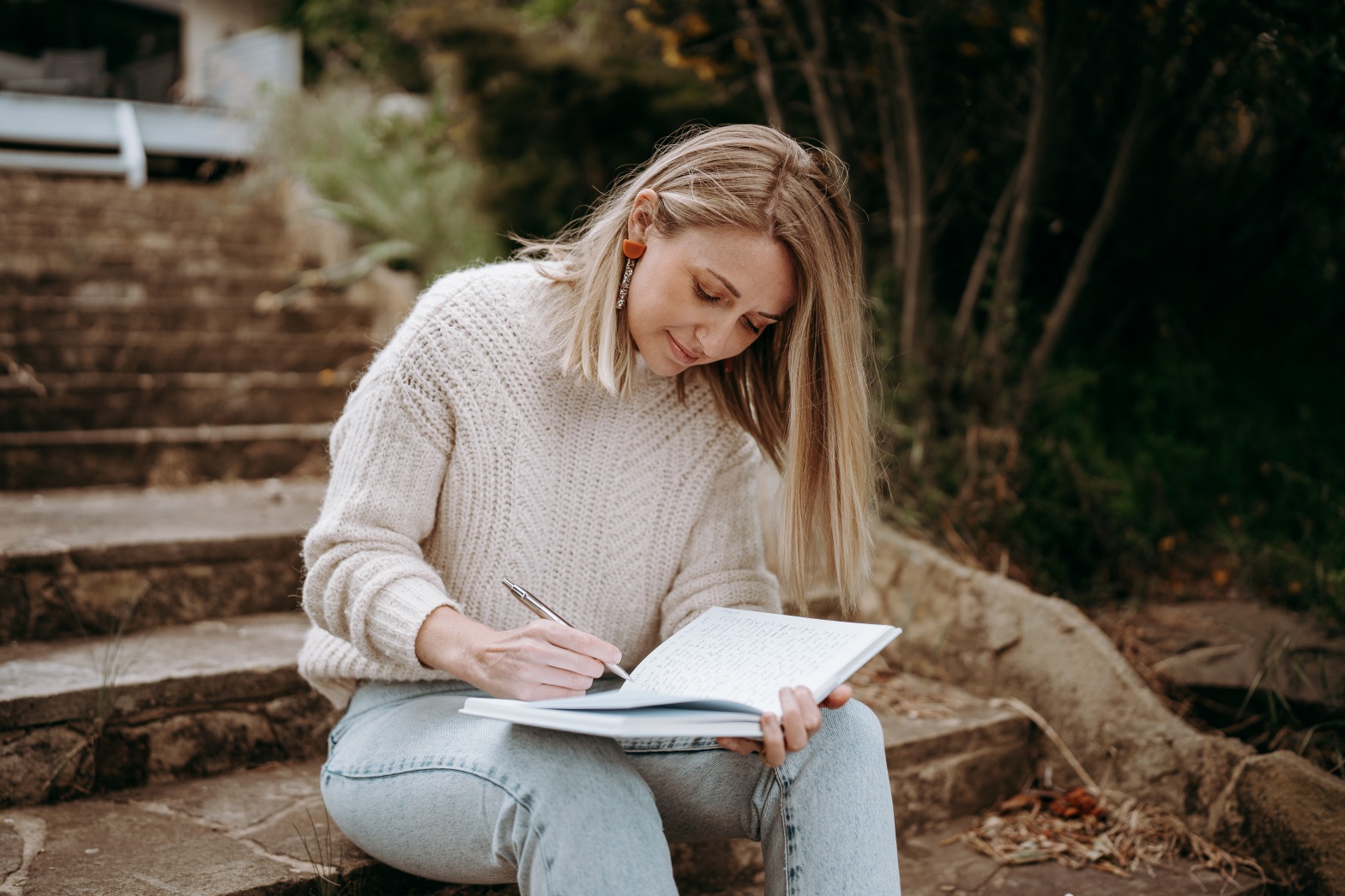
– My journal. This is to scribble ideas down, plot the day, write down my prayers and also for writing when I don’t want a screen in front of me.
– Texts/research. As applicable to the writing I have committed to doing.
– A good book. Because when I’m sick of writing, I read.
– Nourishing, easy meals.
– A few treats. You need rewards!
– My Bible.
– Walking shoes. To encourage me to get outside and clear the head.
– Comfy clothes. Pyjamas are acceptable!

Happy writing.

Creating a book is teamwork

I could fill a room with the people who have helped me complete my book to where it is now. And I’ll fill another room with the people who see it to publication.

When I started out on this writing-my-first-novel journey, I had in mind that it would essentially be a solitary exercise. Me and my pen. Romantic, hey? You’re imagining a picnic rug shaken beneath an oak tree, sun dappling the pages of a crisp new notebook as I spilled a perfectly constructed story along its duck egg blue lines. Sigh. Jane Austen eat your heart out! Sorry to burst that bubble, but much of the writing took place during a Tassie winter: me and my big ol’ computer on a Kmart desk in our lounge room, fire roaring, ugg boots and nanna rug.

But back to my point: writing and publishing a book is all about teamwork. It’s about collaborating with people who know their stuff, who have different skillsets to you and can bring value to your raw material. My part, especially at this point in the journey, is to hustle with my team.

In truth, it never was a solitary exercise. The idea was sparked from a campfire conversation three years ago in far North Queensland. Thank you to the ex-cop, ex-nurse (whose name eludes me) for sharing her stories, even if they were falsified (some of them seemed far-fetched… that or the adage ‘truth is stranger…’ was proved once more). And then there was the chew. Literally years of chewing my husbands ear about potential story arcs and characters and settings. Thank you darling.

During the writing phase, I was led by my Holy Muse. Still am. Always was. But there was a more acute awareness that the creativity flowing through me originated from The Creator. What a beautiful duet that was. You wouldn’t describe the book as spiritual in genre, but the writing of it was. And in this sense I cannot help but acknowledge that my book was co-authored by the Great Maker who first knit me together in my mother’s womb.

A funeral director, a midwife, a leisure and lifestyle director at a local nursing home. This is to name just a few of my many and varied research accomplices. Their insights were absolutely invaluable.

Since completion, a small army of avid readers has diligently read my manuscript’s pages, awkwardly flicking through the half-ream of Reflex, held together with an oversized bulldog clip. They have encouraged me, red-penned problem punctuation and pointed out stereotypes and plot holes. And then there was the professional manuscript assessment, inviting another team member into the fold. She did likewise: encouraged, red-penned spelling, punctuation and structure issues (more than 300 of them!), pointed out anything that jarred the flow. All these people generously giving their time so I could make improvements. Honing, polishing, moving it forward.

Now, I’m seeking representation with an agent. I’ve had rejections. Many publishers and agents are so inundated with submissions that they can only send a rote rejection letter without feedback. But I’ve been fortunate to have one agent give feedback — another who has (perhaps unwittingly) joined the team.

One day an agent will catch my novel’s vision. They will work with me to refine it some more before we pitch it to publishers. As a team. And the publishing house will have editors, cover artists, marketers, distributors, book sellers and so on. Everyone contributing to the finished work.

I’m excited: I love collaborating! The bringing together of so many talented people for one purpose is a beautiful thing. If you’re treading a similar journey to mine, I hope you’re likewise learning to enjoy the fact that creating a book is wonderfully collaborative.

The man with the fluted nose

(A short story, by Claire van Ryn)

“Happy friendversary!” is the pronouncement when I tap the little blue square with the white ‘F’ on my phone. I stir sugar into my Twinings. Tinkle-tinkle. Delightful sound. Stainless steel on Wedgewood.

Lit up on the screen is a photograph of a blue-eyed man, not unattractive, his arm slung around my shoulders. Well, it looks like me, but in all likelihood it is not. Because I certainly don’t recognise the aforementioned gentleman.

The woman — possibly me — has on large, bug-eyed sunglasses and a summer dress that covers very little of her pert decolletage. The photograph is much older than the date it was shared. A pleasingly lean figure too. It is me. Yes. I’m sure of it now.

So who could this fellow be? A decent-looking caucasion male, mid height and girth, consorting with me in a most familial way. And we’ve been friends in this blue and scrolly online world for… let’s see… ten years!

Probably just a work colleague. At the beach? Must have bumped into each other. Who took the photo? Some passerby, or his wife perhaps.

I press a finger against his name and find more of him. Photos with children; in a suit shaking hands with another man in another suit; and amidst a flock of black graduation cloaks. There are years between posts. He’s not a frequenter to the blue square.

Perhaps it’s one of those spams, that’s what they call it, isn’t it? Where they steal your identity.

The liquid in my teacup is jittering, my reflection a sepia Monet. I deposit it firmly on the table, spread my palms on the tops of my legs. Bother. I’ve let this fiasco get to me. I’m as anxious as a foaling mare. Look at my hands!

There’s something about his nose. I squint at the photo. An angular nose, fluted like Grecian columns. I can see he would have robust nasal passages, no breathing difficulties on account of that snout. I snort-laugh! How unseemly. But I have the strangest sense of deja vu. Yes, I see you again Mr… where is his name… Mr. George Kent. A college beau perhaps? Pity he didn’t stick around, I could look into that face more often.

I let the screen drop into my lap and take a long draught of my tea. Cold. I sigh.

The door is opening, the one to the front of the house connected to the long skinny room. The fall? Rustling of bags. Footsteps. Someone is coming. What should I do? Run! But my hands are quavering again and I don’t trust my legs. I will sit here, very still.

Breath on my cheek, the smell of cinnamon scrolls and coffee. Bristles. A kiss. I turn and look into blue eyes, fluted nostrils, buttery skin. That face.

“You!” I’ve startled him. “You’re my friend off the blue square!”

His face softens.

“Hello Mary, my love, it’s your husband, George.”

Just write, for goodness sake!

When I think back to those first days of beginning my novel, I recall a familiar message being delivered to me over and over again. It came as posts on social media land, as a main theme in the books and articles I was reading, as encouragement from my husband, and as a whisper in my spirit that started gently and increased to such a din that I couldn’t ignore it any longer. The message was two words and needed no extrapolation:

Just. Write.

Just start, Claire. There it was. The idea for my novel had been brewing in my mind for a couple of years already. Characters had subconsciously developed faces and mannerisms. The setting was painted against the inside of my eyelids. It needed to be beckoned out of my brain and spilt onto some white space somewhere: a notebook, a spreadsheet, a document. But like a kitten in a drain, I had to coax it out, reassure it that the light out here was better than the murky comfort of darkness in there, and that emerging would only open up a world of wonder.

I’m a great believer in timing. There’s a right and a wrong time for everything. And it was early last year that I recognised that the time was ripe for my novel. So, in February 2020, I finally listened to all those “Just write” messages.

And I did.

Start writing, no matter what.
The water does not flow until the faucet is turned on.

Louis L’Amour

How? you might ask. Where did you begin?

I began using the fumbling, clueless, no-idea-what-I’m-doing method. First, I did a bit of character research. Abandoned that. Tried plotting the whole book on a spreadsheet, chapter by chapter. Found that completely strangled my creativity. Read a few novels. Stopped reading novels, because I was afraid I’d end up copying them. Stalked authors on Instagram to find out how they write their books. Ultimately I ditched the lot of it and found my own way.

I’m a journalist. I’m used to working to deadlines, often daily deadlines. So that’s how I began, with a daily goal of writing 1,000 words. That’s not very much. But on days when I was home-schooling the kids during Covid lockdown, or when paid writing work came in, or I was feeling flat or uninspired, it was more than enough. Sometimes I wrote more, but I rarely wrote less.

The other essential of my writing day was to begin with calm, in the presence of the source of creativity. Pausing before writing was like hydrating before a run. The flow of energy and ideas out of this spiritual comma was a life lesson that I will devote a whole post to soon. So hold the weighty substance of this practice until I return to it.

Some other things I did that helped me dive in…

  1. While I was doggedly dedicated to my word count, there were a few periods of grace. School holidays, for example. Or during sickness. Or if progressing the storyline required a stint of research. There had to be some grace periods.
  2. I gave myself the weekends off. Disconnecting for family and other forms of creativity kept things fresh.
  3. I kept myself accountable by sharing my writing progress on my social media pages. I know this isn’t going to be everyone’s jam, but for me it’s been a joy to share the journey with my people. They have encouraged me and in turn I’ve been able to give them insights into the making of a book. In the back of my mind was the knowledge that publishers today look at how active an author is online… so there’s that too!

Do you have a work percolating and you are sensing that the time is right to begin? I encourage you, as the world is likely already saying to you: just write. It doesn’t have to be brilliant, it just has to be written. Or spoken. Or danced. Or painted. Just start, for goodness sake! I’m cheering you on.